
In today’s fast-paced software development landscape, scalability is key to delivering high-quality applications quickly and efficiently. One popular approach to achieve this is by implementing a microservices architecture. In this article, we’ll delve into the world of scalable microservices, exploring its benefits, challenges, and best practices for successful implementation.

How to Build Ecommerce Microservices Without the Headaches
The Rise of Microservices
Microservices architecture has gained immense popularity in recent years due to its ability to promote scalability, flexibility, and maintainability. The core idea behind microservices is to break down a monolithic application into smaller, independent services that communicate with each other using APIs or message queues.
Benefits of Microservices
While there are several benefits associated with microservices, some of the most significant advantages include:
- Scalability: Each service can be scaled independently, allowing for more efficient resource utilization and improved performance. This means that if one service is experiencing high traffic, it can be scaled up quickly to handle the load, without affecting other services in the application.
- Faster Time-to-Market: With a microservices architecture, developers can work on individual services simultaneously, reducing the overall development time and increasing the speed of feature delivery. This allows businesses to respond quickly to changing market conditions and customer needs.
- Improved Maintainability: Microservices make it easier to update or replace individual components without affecting the entire application. This reduces downtime and improves overall system reliability.
However, microservices also introduce some challenges that need to be addressed during implementation. Some of these challenges include:
Challenges in Implementing Microservices
While microservices offer numerous benefits, there are also several challenges that need to be addressed during implementation. Some of these challenges include:
- Service Discovery and Configuration Management: Ensuring that services can find each other and communicate effectively is a significant challenge. This requires the use of service discovery mechanisms, such as Netflix’s Eureka or Apache ZooKeeper.
- API Design and Security: Well-designed APIs are crucial for secure communication between services, but designing them can be complex. This requires careful consideration of API security measures, such as authentication and authorization.
- Monitoring and Logging: With multiple services running independently, it’s essential to have a robust monitoring and logging system in place to detect issues quickly.
Best Practices for Implementing Microservices
To overcome the challenges associated with microservices, follow these best practices:
1. Use Service Discovery Mechanisms
Tools like Netflix’s Eureka or Apache ZooKeeper can help services discover each other and register themselves. This allows services to find each other and communicate effectively, even in the presence of network failures.
2. Implement API Gateway
A centralized API gateway can manage incoming requests, handle authentication, and route them to the appropriate service. This provides a single entry point for clients and helps to improve security and scalability.
3. Invest in Monitoring and Logging
Use tools like Prometheus, Grafana, or ELK Stack to monitor performance, latency, and error rates, as well as log important events for debugging purposes. This helps to detect issues quickly and improves overall system reliability.
Example: A Real-World Microservices Architecture
A real-world example of a microservices architecture is a popular e-commerce platform that consists of multiple services working together seamlessly:
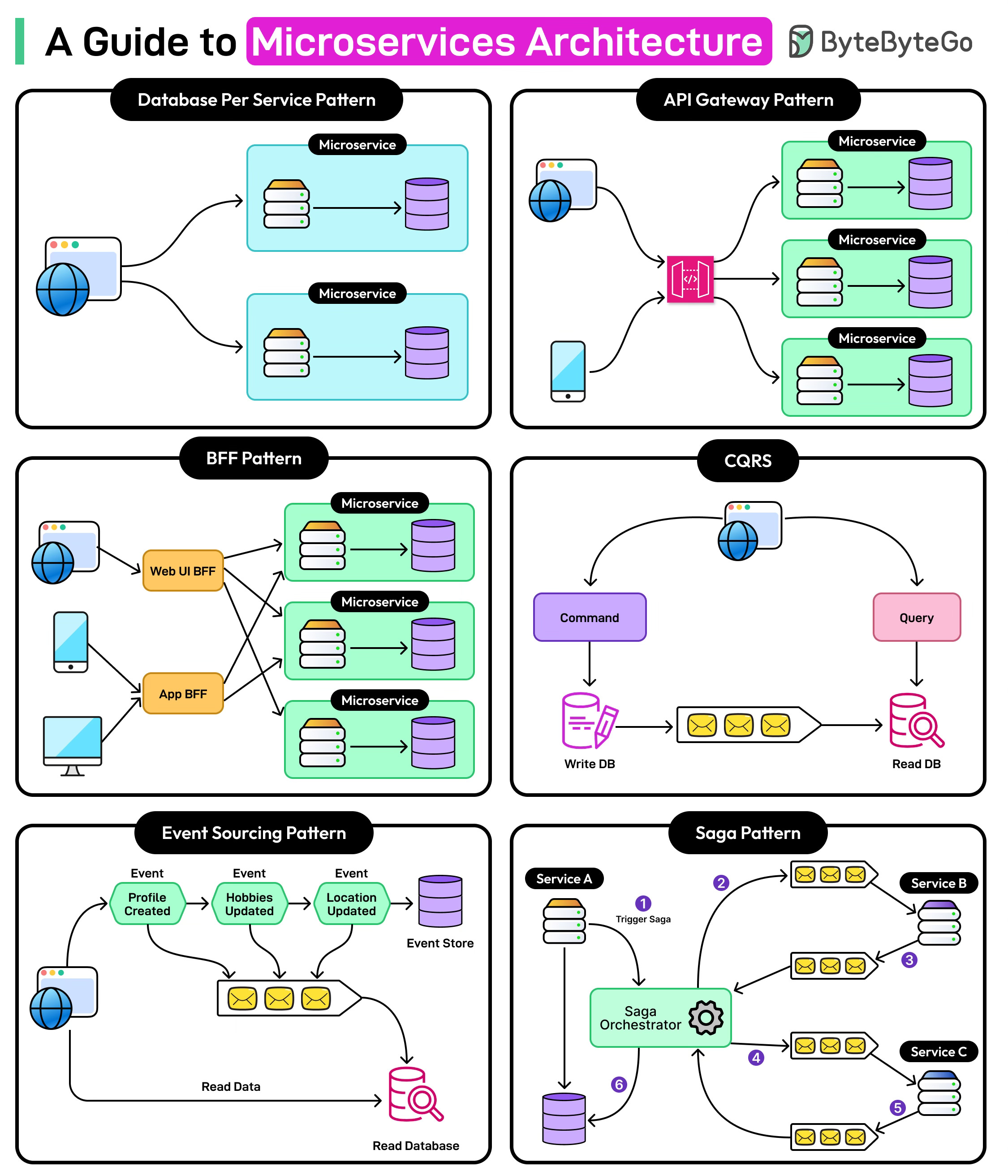
A Guide to Microservices Architecture for Building Scalable Systems
- Product Service: Responsible for managing product information and inventory.
- Order Service: Handles order processing, payment, and shipping.
- Catalog Service: Provides product catalog data to clients across different regions.
In this example, each service is designed to perform a specific function, allowing for greater scalability and flexibility. The Product Service can be scaled independently of the Order Service or Catalog Service, ensuring that the entire application remains responsive and efficient.
Case Study: Netflix’s Microservices Architecture
Netflix is a great example of a company that has successfully implemented a microservices architecture. Their architecture consists of multiple services, including:
- Content Delivery Network (CDN): Responsible for delivering content to users.
- Video Processing Service: Handles video processing and encoding.
- Recommendation Engine: Provides personalized recommendations to users.
Netflix’s microservices architecture has enabled them to scale quickly and efficiently, while also improving overall system reliability. By following best practices like service discovery and API gateway implementation, Netflix has been able to build a robust and scalable application that meets the demands of their business.
Practical Tips for Implementing Microservices
Here are some practical tips for implementing microservices:
1. Start Small
Begin with a small team and a limited set of services. This will help you to test your approach and refine it before scaling up.
2. Use APIs as the Glue
APIs can be used to connect services and provide a common interface for clients. Use APIs to manage data exchange between services, rather than trying to implement complex data serialization mechanisms.
3. Implement Circuit Breakers
Circuit breakers can help you to detect issues quickly and prevent cascading failures. Implement circuit breakers in your application to improve overall system reliability.
Conclusion: Scaling Microservices Architecture
In conclusion, implementing a scalable microservices architecture requires careful planning, execution, and maintenance. By following best practices like service discovery mechanisms, API gateway implementation, and monitoring and logging tools, developers can create robust and efficient applications that meet the demands of modern software development. As we continue to push the boundaries of what’s possible with technology, it’s essential to stay ahead of the curve by embracing innovative approaches like microservices architecture.
As you consider implementing a microservices architecture in your own application, keep these best practices in mind:
- Start small: Begin with a limited set of services and gradually scale up as needed.
- Use APIs as the glue: Use APIs to connect services and provide a common interface for clients.
- Implement circuit breakers: Implement circuit breakers in your application to improve overall system reliability.
By following these best practices, you can build a robust and scalable microservices architecture that meets the demands of modern software development.

FastAPI Microservices Architecture: A Practical Guide to Scalable …

Microservices Architecture: A Comprehensive Guide| Bieedesign

Getting Started with PHP Microservices Architecture: A …