
Building an Effective Inventory System: A Comprehensive Guide for Businesses
📦Custom Inventory Management Software Development Guide 2026
In today’s fast-paced business environment, managing inventory effectively is crucial for companies of all sizes. A well-optimized inventory system can significantly improve efficiency, reduce costs, and enhance customer satisfaction. However, building a robust inventory management system requires careful planning, implementation, and maintenance.
Understanding the Importance of Inventory Management
Effective inventory management involves tracking and controlling the movement of goods into and out of your warehouse or distribution center. This process helps to ensure that you have the right products in stock, at the right time, and in the right quantities. A well-managed inventory system can also help to:
1. Reduce stockouts and overstocking
2. Minimize waste and excess inventory
3. Optimize storage space and reduce costs
4. Improve customer satisfaction through faster delivery times
5. Enhance supply chain efficiency
Types of Inventory Management Systems
There are several types of inventory management systems, each with its own strengths and weaknesses.
1. Manual Inventory System: A manual system involves tracking inventory using paper-based records or spreadsheets.
2. Computerized Inventory System: A computerized system uses software to track inventory and automate tasks such as ordering, receiving, and reporting.
3. Barcode-Based Inventory System: This system uses barcodes to track inventory and identify products.
4. Radio Frequency (RF) Inventory System: An RF system uses radio frequencies to track inventory and automate tasks.
Benefits of Implementing an Inventory Management System
Implementing an effective inventory management system can bring numerous benefits to your business, including:
1. Improved accuracy: A manual or computerized system reduces errors and improves data accuracy.
2. Increased efficiency: Automation and technology streamline processes, reducing manual labor and improving productivity.
3. Reduced costs: By optimizing inventory levels and minimizing waste, you can reduce storage costs, transportation costs, and other expenses.
4. Enhanced customer satisfaction: Faster delivery times and more accurate orders improve customer satisfaction.
Best Practices for Building an Inventory Management System
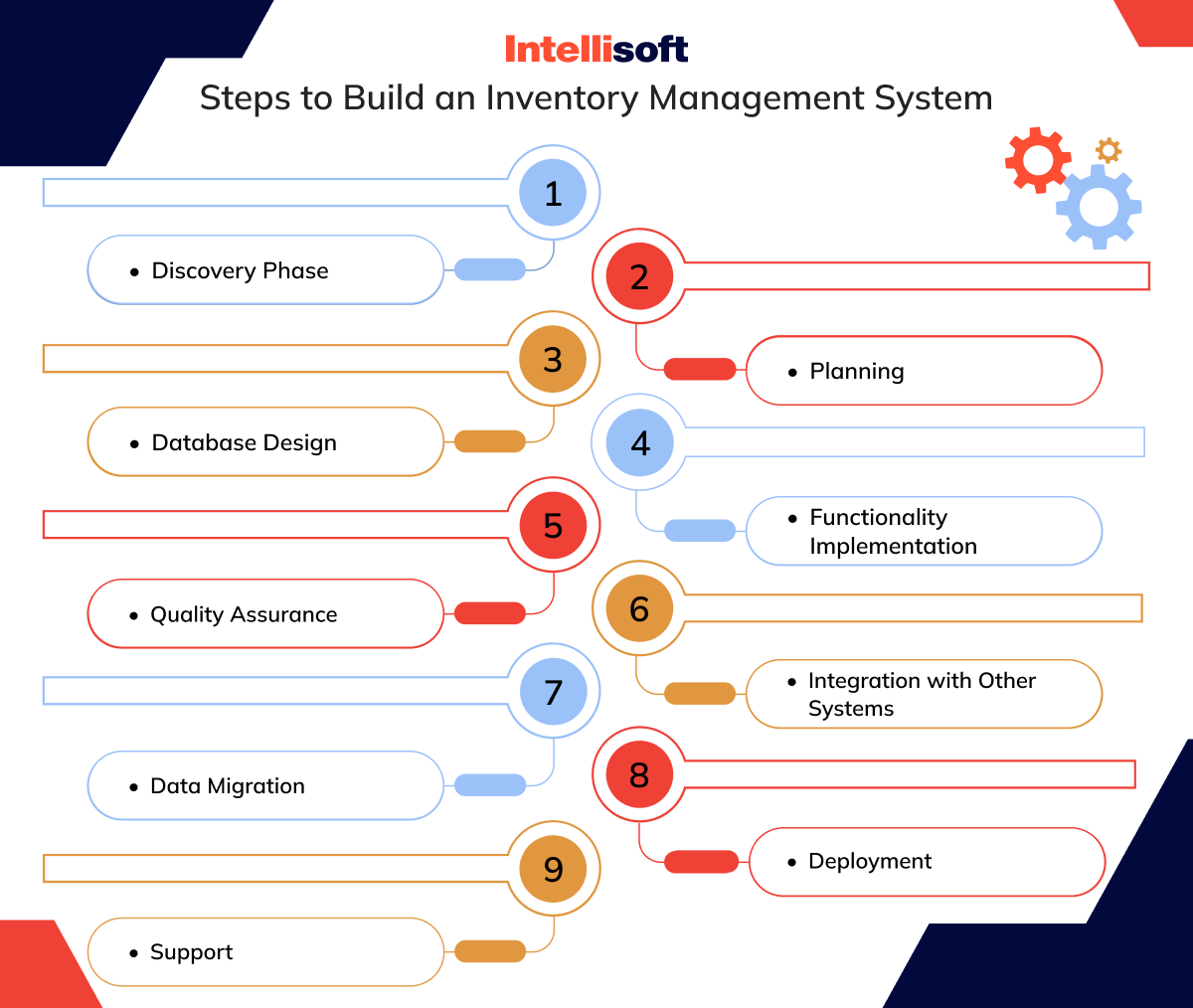
To build a robust inventory management system, follow these best practices:
1. Define your goals: Clearly define what you want to achieve with your inventory management system, such as reducing costs or improving customer satisfaction.
2. Conduct a needs assessment: Analyze your current processes and identify areas for improvement.
3. Choose the right technology: Select a system that meets your business needs, considering factors such as scalability, user-friendliness, and integrations with other systems.
4. Train staff: Ensure all users are trained on the new system to maximize adoption and minimize errors.
How to Build Inventory Management Database
5. Monitor and adjust: Regularly review and refine your inventory management system to ensure it remains effective and aligned with business goals.
Practical Tips for Implementing an Inventory Management System
Here are some practical tips to help you implement a successful inventory management system:
1. Start small: Begin with a pilot project or a small subset of products to test and refine your system before scaling up.
2. Use data analytics: Leverage data analytics tools to gain insights into inventory performance, identifying areas for improvement.
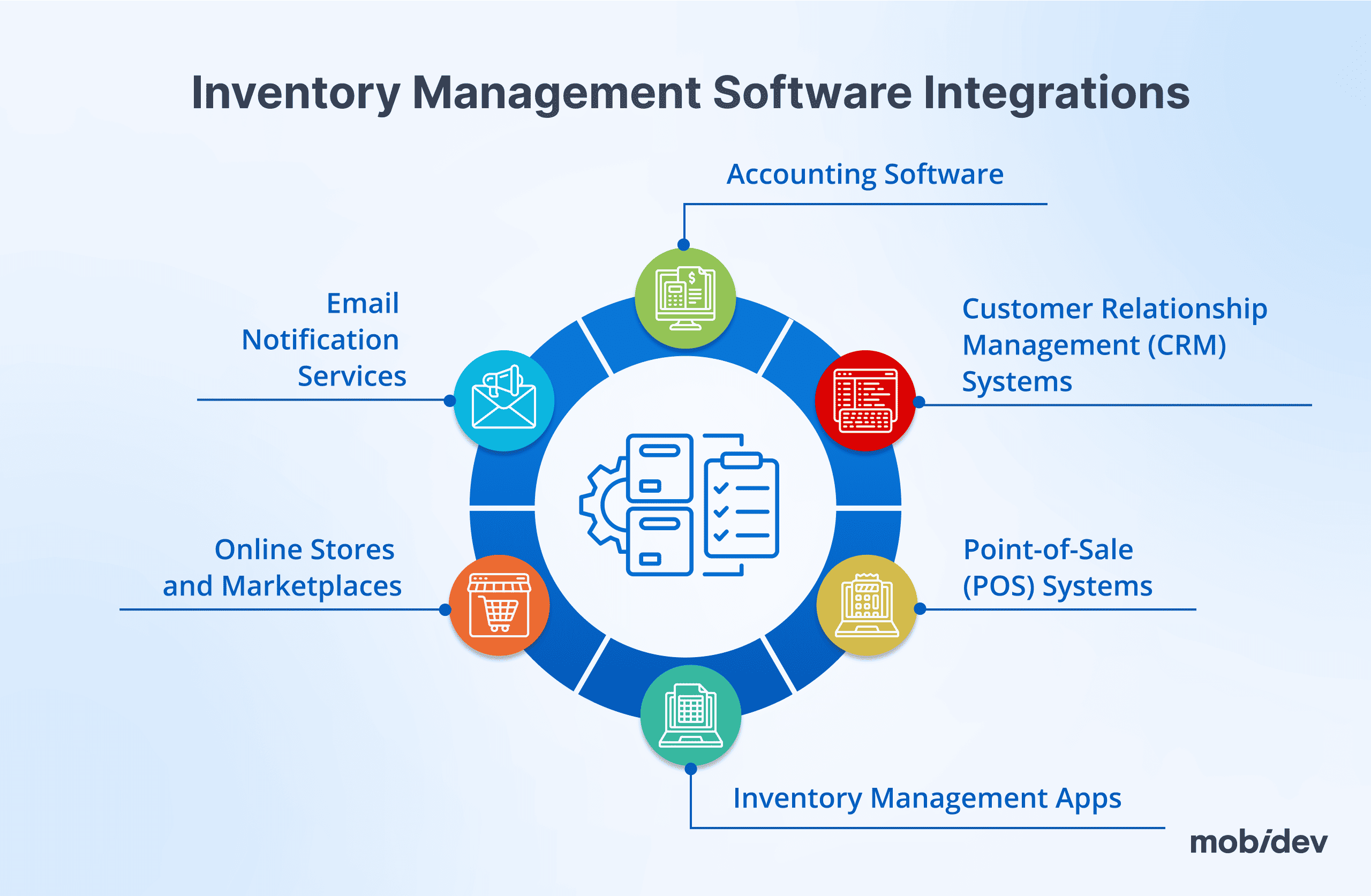
3. Integrate with other systems: Integrate your inventory management system with other business systems, such as accounting and e-commerce platforms.
4. Implement a cycle counting process: Regularly count stock levels to ensure accuracy and detect discrepancies early.
5. Develop a contingency plan: Establish procedures for handling unexpected events, such as supply chain disruptions or equipment failures.
Case Study: Implementing an Inventory Management System at a Retailer
Retailer X, a mid-sized clothing retailer, implemented a new inventory management system to improve efficiency and reduce costs. The company chose a barcode-based system that integrated with their existing e-commerce platform. After training staff on the new system, they achieved:
1. Reduced stockouts by 25%
2. Improved order fulfillment times by 30%
3. Reduced storage costs by 15%
Common Challenges in Building an Inventory Management System
When building an inventory management system, common challenges include:
1. Data accuracy: Ensuring accurate data entry and minimizing errors.
2. User adoption: Encouraging staff to adopt the new system and use it consistently.
3. Integration issues: Integrating the new system with other business systems.
4. System downtime: Minimizing downtime due to technical issues or maintenance.
Best Practices for Overcoming Common Challenges
To overcome these challenges, follow these best practices:
1. Data accuracy: Implement double-checking processes and use data analytics tools to identify discrepancies.
2. User adoption: Provide comprehensive training and support to ensure staff understand the benefits of the new system.
3. Integration issues: Test integrations thoroughly before launch to avoid compatibility issues.
4. System downtime: Develop contingency plans and maintain regular backups to minimize downtime.
Conclusion
Building an effective inventory management system requires careful planning, implementation, and maintenance. By understanding the importance of inventory management, choosing the right technology, and following best practices, businesses can improve efficiency, reduce costs, and enhance customer satisfaction. Remember to be patient, flexible, and proactive in overcoming common challenges, and with time and effort, your inventory management system will become a critical component of your business success.
Reference guide to build inventory management and forecasting …