
In a world where graphics processing has become an integral part of modern entertainment, the art of shading has evolved into a science. As we delve deeper into the realm of computer-generated imagery (CGI), one technology stands out as a game-changer: shaders. In this article, we’ll explore the fascinating world of shaders and uncover their secrets to unlock your full creative potential.
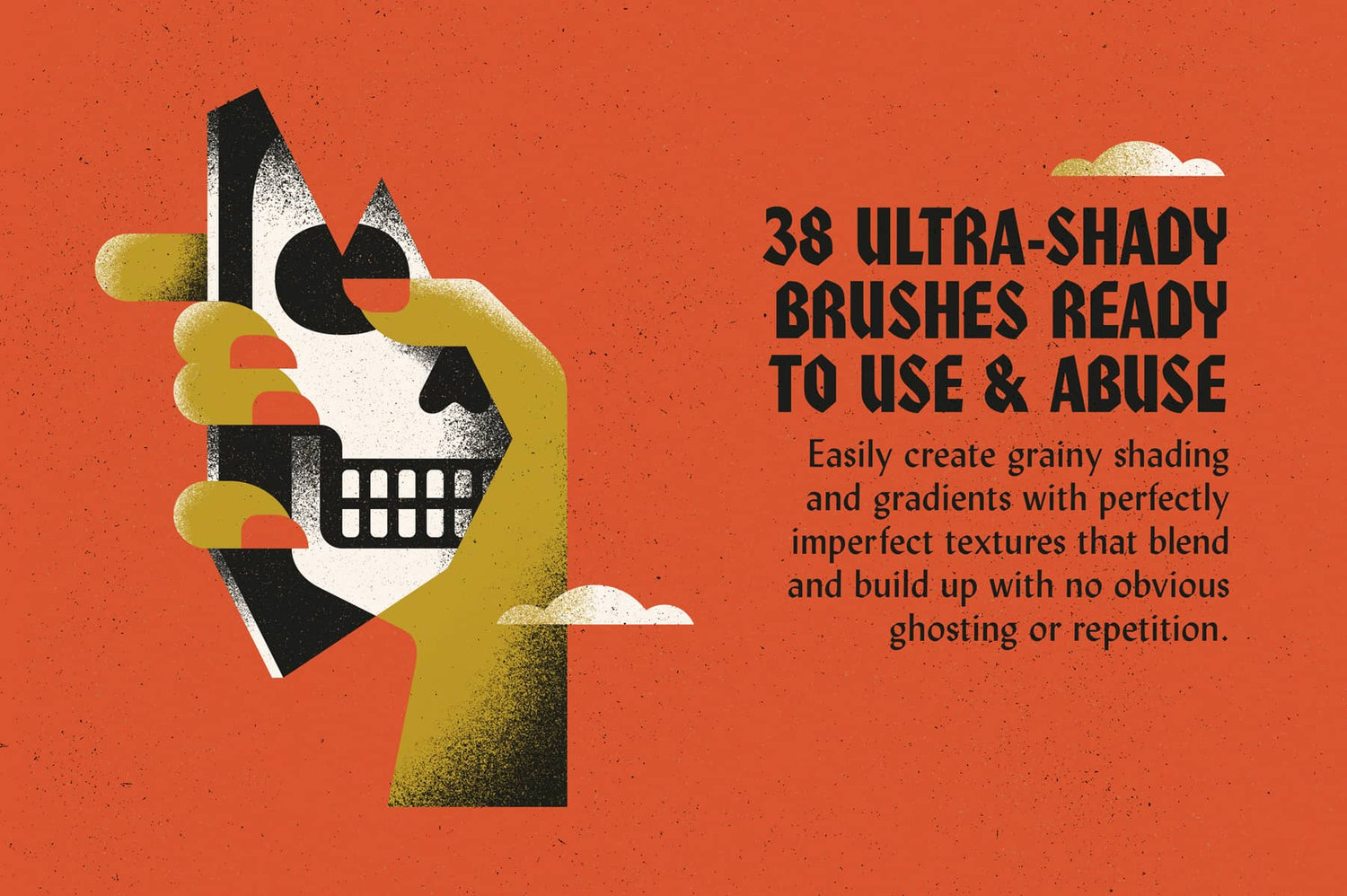
Grain Shaders Brush Set – True Grit Texture Supply
Imagine walking through a lush forest in a fantasy movie or exploring the deserts of Middle-earth in Lord of the Rings. The intricate details, the subtle shading, and the breathtaking landscapes all come together to transport us to another world. But have you ever wondered what makes these visuals possible? It’s not magic; it’s shaders.
A Brief History of Shaders
Shaders, also known as vertex programs or pixel shaders, were first introduced in the 1990s with the advent of programmable graphics processing units (GPUs). The initial versions were limited to simple transformations and basic lighting effects. However, with each subsequent iteration, the capabilities of shaders have expanded exponentially.
Today, shaders are a fundamental component of modern computer graphics. They allow artists, designers, and developers to create stunning visuals that would be impossible without them. Shaders can simulate complex lighting effects, such as reflections, refractions, and ambient occlusion. They can also animate objects in mid-air or create intricate textures.
The Anatomy of a Shader
A shader is essentially a small program written in a high-level language that runs on the GPU. It’s composed of several components:

Grain Shaders Brush Set – True Grit Texture Supply
- Vertex shader: processes vertex data before it reaches the pixel shader.
- Pixel shader: processes pixel data to determine its color and other attributes.
- Geometry shader: modifies vertices in mid-air, creating complex shapes and models.
Each of these components plays a crucial role in shaping the final image. The vertex shader sets the foundation for the entire scene, while the pixel shader fine-tunes the colors and textures. The geometry shader brings it all together, creating stunning visuals that would be impossible without its magic.
Customizable Shaders: Unlocking Creative Potential
The rise of customizable shaders has revolutionized the world of computer graphics. With shaders, artists can create unique visual effects that were previously unimaginable. They can experiment with different techniques, such as:
- Non-linear lighting
- Physically-based rendering (PBR)
- Advanced particle simulations
This level of customization empowers artists to push the boundaries of what’s possible in computer graphics. They can create breathtaking landscapes, intricate characters, and realistic effects that transport audiences to new worlds.
Real-World Applications: From Film to Video Games
Customizable shaders have been used in various industries to create stunning visuals:
- Film and television production
- Videogames development
- Architecture and product visualization
In film, shaders are used to create realistic environments, characters, and effects. In videogames, they enable developers to create immersive worlds with intricate details. In architecture and product visualization, shaders help designers showcase their creations in a more compelling way.
Conclusion: Unlocking the Secrets of Shaders
In conclusion, shaders have become an essential tool for artists, designers, and developers. With customizable shaders, they can unlock new creative possibilities, pushing the boundaries of what’s possible in computer graphics.
Whether you’re a seasoned artist or a newcomer to the world of computer graphics, understanding shaders is crucial for unlocking your full potential. By experimenting with different techniques and exploring the realm of shaders, you’ll be able to create stunning visuals that transport audiences to new worlds.
Takeaways: Get Started with Shaders Today
If you’re ready to unlock the secrets of shaders, here are some actionable takeaways:
- Learn the basics of shader programming using a high-level language like GLSL or HLSL.
- Experiment with different techniques and effects to find what works best for your project.
- Join online communities and forums to connect with other artists and developers who share your passion for shaders.
Remember, the world of shaders is vast and exciting. With practice, patience, and dedication, you’ll be able to create stunning visuals that transport audiences to new worlds.

How could I create a shader that generates an outline like this …