
This article will delve into the world of first-person shooter (FPS) games, exploring the intricacies of creating a fully functional system that incorporates Artificial Intelligence (AI). We’ll dive into the technical aspects, highlighting key components and providing practical insights to help you build your own FPS game with AI.

IMVIS: 3D eye imaging system unveiled by Centre for Sight
The Rise of AI in FPS Games
FPS games have become increasingly sophisticated over the years, thanks in part to advancements in Artificial Intelligence. AI-powered systems can enhance gameplay, increase realism, and create a more immersive experience for players. In this article, we’ll focus on building a full-fledged FPS system that integrates AI, covering topics such as enemy behavior, level generation, and game physics.
Enemy Behavior: A Key Component of AI in FPS Games
Ai-controlled enemies are a staple of many FPS games. They can add an extra layer of challenge and realism to the gameplay experience. To create realistic enemy behavior, we’ll need to focus on several key areas:
- Pathfinding algorithms: We’ll explore popular pathfinding algorithms such as A\ and Dijkstra’s algorithm to help our AI enemies navigate the game environment.
- Behavior trees: Behavior trees provide a flexible way to define complex behaviors for our enemies, allowing us to create realistic responses to different situations.
- Machine learning: We’ll discuss how machine learning can be used to improve enemy behavior, making them more challenging and unpredictable.
Implementing Pathfinding Algorithms
To implement pathfinding algorithms in our FPS game, we’ll use the A\ algorithm. This algorithm is widely used due to its efficiency and effectiveness in finding the shortest path between two points.
The A\* algorithm consists of three main components:
- Heuristic function: The heuristic function estimates the cost from a given node to the target node. In our case, we’ll use the Manhattan distance as our heuristic function.
- Cost function: The cost function represents the actual cost of moving from one node to another. In our game, this would be based on the terrain and obstacles.
- Open list: The open list contains nodes that are currently being evaluated by the algorithm. We’ll use a priority queue to efficiently select the next node to evaluate.
Behavior Trees for Enemy Behavior
Behavior trees provide a flexible way to define complex behaviors for our enemies. By using behavior trees, we can create realistic responses to different situations, making our enemies more challenging and unpredictable.
We’ll use the C++ implementation of the Behavior Tree framework, which provides a powerful and flexible way to define behaviors.
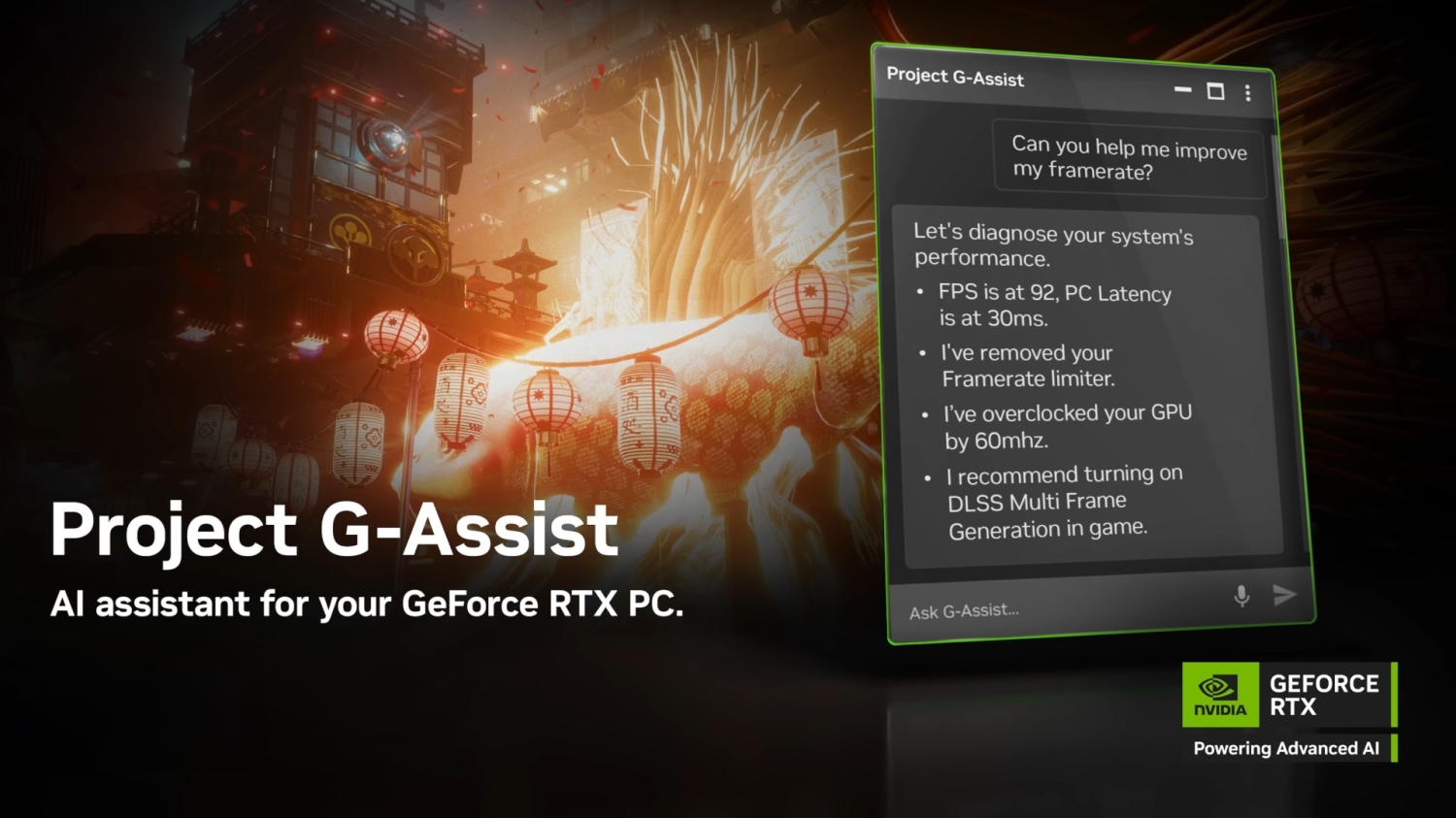
Build AI Tools and Win Big with NVIDIA’s Project G-Assist Plug-In …
Machine Learning for Improved Enemy Behavior
Machine learning can be used to improve enemy behavior in our FPS game. By training our AI enemies on large datasets of gameplay footage, we can create more realistic and challenging opponents.
We’ll use the TensorFlow library to implement machine learning models that can learn from gameplay data and adapt to different situations.
Level Generation: Creating Realistic Environments
Level generation is crucial in FPS games. A well-designed level can create a more immersive experience for players, while a poorly designed level can lead to boredom and frustration.
We’ll use the Procedural Content Generation (PCG) technique to generate realistic environments. PCG allows us to create content on the fly using algorithms and templates.
Game Physics: Simulating Realistic Environments
Game physics is essential in creating a realistic FPS game. By simulating realistic environments, we can create a more immersive experience for players.
We’ll use the PhysX library to implement game physics in our FPS game. PhysX provides a powerful and flexible way to simulate realistic environments.
Conclusion: Building a Full-Fledged FPS System with AI
In this article, we’ve explored the intricacies of building a full-fledged FPS system that incorporates Artificial Intelligence. We’ve covered key components such as enemy behavior, level generation, and game physics, providing practical insights and valuable information to help you build your own FPS game with AI.
By following the techniques and algorithms discussed in this article, you’ll be well on your way to creating a realistic and immersive FPS game that incorporates AI.

What features should the new AI tool for Unity have?

Best UniFi Protect Cameras 2026: G6 Lineup Guide (Tested) | iFeeltech

Gaming Desktop PC Guide 2026 | Build the Ultimate Gaming Setup