
When it comes to creating an immersive gaming experience, the user interface (UI) plays a crucial role in setting the tone and atmosphere of the game. A well-designed UI can transport players to new worlds, make them feel like heroes, and ultimately enhance their overall gaming experience. In this article, we’ll delve into the world of UI systems for games, exploring the latest trends, design principles, and practical insights to help you create a UI that’s both visually stunning and user-friendly.

Game-Ready UI Concept Art Generator — Consistent Interface Design …
The Evolution of UI in Games
From 8-bit classics like Super Mario Bros. to modern masterpieces like The Last of Us, the UI has undergone significant transformations over the years. In the past, games relied on simple, text-based interfaces that barely scratched the surface of what’s possible. Today, however, we see a proliferation of advanced UI systems that utilize cutting-edge technologies like machine learning, augmented reality, and 3D graphics.
Design Principles for UI Systems in Games
A great UI system in games should be more than just aesthetically pleasing; it should also facilitate an intuitive user experience. Here are some essential design principles to keep in mind:
- Clarity and Consistency: A clear and consistent UI helps players navigate the game with ease, reducing cognitive load and frustration.
- Feedback and Responsiveness: Timely and meaningful feedback is crucial for a seamless gaming experience. This includes visual cues, audio effects, and haptic feedback.
- Adaptability and Flexibility: A UI system should adapt to different player preferences, game modes, and difficulty levels, ensuring an optimal experience for all players.
UI Systems for Different Game Genres
Each game genre has its unique set of requirements when it comes to UI systems. Here are some examples:
- FPS Games: Fast-paced action games require a UI system that’s responsive, intuitive, and concise. This includes features like mini-maps, health bars, and radar screens.
- RPGs: Role-playing games often feature deep character customization and complex gameplay mechanics. A UI system should provide an overview of character stats, inventory, and quest progress.
- Strategy Games**: Strategy games require a UI system that’s detailed, informative, and easy to understand. This includes features like resource management, unit tracking, and battle logs.
The Role of Machine Learning in UI Systems
Machine learning is revolutionizing the way we design UI systems for games. By analyzing player behavior, preferences, and feedback, machine learning algorithms can optimize UI performance, providing a more personalized experience for each player.

Building a Rhythm Game System in TouchDesigner | Derivative
For instance, machine learning-powered UI systems can analyze player movement patterns, identify areas of improvement, and adjust settings accordingly. This could include everything from adjusting difficulty levels to fine-tuning graphics settings.
Real-World Examples and Takeaways
To illustrate the impact of effective UI design, let’s take a look at some real-world examples:
- The Last of Us (2013): The game’s UI system is renowned for its subtle yet effective use of audio cues, visual feedback, and intuitive navigation.
- Overwatch (2016): Overwatch’s UI system leverages machine learning to optimize player performance, providing real-time feedback on aim accuracy, movement speed, and other key metrics.
From these examples, we can distill some valuable takeaways for your own game development journey:
- Focus on user experience: A great UI system is more than just a pretty face; it should enhance the overall gaming experience.
- Stay up-to-date with industry trends: Machine learning, augmented reality, and 3D graphics are just a few of the cutting-edge technologies shaping the future of UI design.
Conclusion: Crafting UI Systems that Level Up Player Experience
In conclusion, crafting an effective UI system for games is a complex task that requires a deep understanding of user experience, game mechanics, and technology. By embracing innovative design principles, staying ahead of the curve with machine learning and other emerging technologies, and focusing on player-centricity, you can create a UI system that truly level ups the gaming experience.
Remember, a great UI system is not just about looks; it’s about facilitating an intuitive user experience that enhances gameplay, reduces frustration, and leaves players wanting more. So, get creative, experiment with new technologies, and strive for byte-sized brilliance in your game development endeavors!
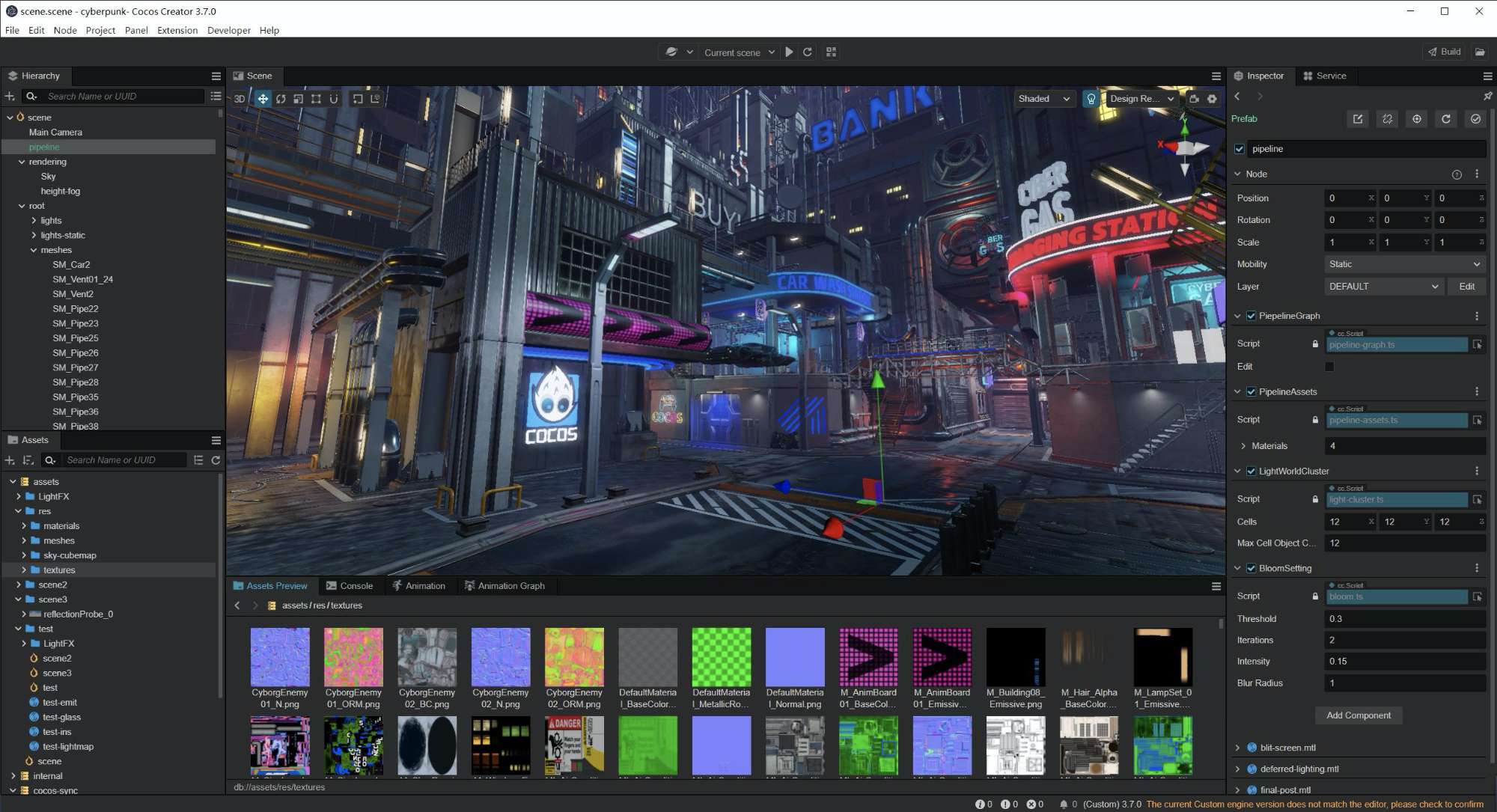
About Cocos Creator | Android game development | Android Developers