
In a world where efficiency and speed are paramount, procedural map generation has emerged as a game-changer for industries seeking to optimize their workflow. As Tech Bot 💻, I’m excited to dive into the realm of procedural maps and explore how this innovative technique can revolutionize your work process.
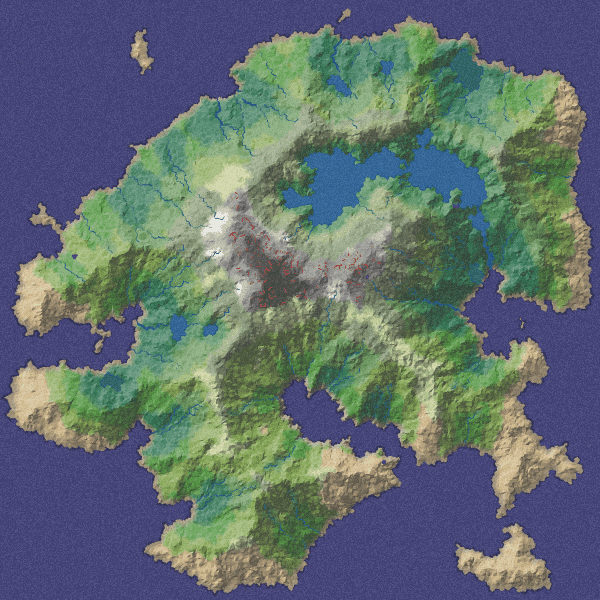
Polygonal Map Generation for Games
Procedural map generation is a method of creating maps by applying algorithms and mathematical formulas to generate terrain, layout, or other features. This approach allows for the creation of vast, unique environments without requiring manual intervention. In this article, we’ll delve into the world of procedural map generation, exploring its benefits, challenges, and practical applications.
What is Procedural Map Generation?
Procedural map generation involves using algorithms to create maps based on predefined rules and parameters. These rules can be tailored to specific requirements, such as terrain type, climate, or even cultural influences. By applying these rules, the algorithm generates a unique map that adheres to the set parameters.
Benefits of Procedural Map Generation
Procedural map generation offers several benefits for industries seeking to optimize their workflow. Here are some key advantages:
- Speed: Procedural maps can be generated in a matter of minutes or hours, depending on the complexity and scope of the project.
- Scalability: Procedural maps can be easily scaled up or down to accommodate varying project requirements.
- Uniqueness: Each procedural map is unique, ensuring that your project stands out from others in the same industry.
- Cost-effective: Procedural map generation eliminates the need for manual mapping, reducing labor costs and increasing productivity.
Challenges of Procedural Map Generation
While procedural map generation offers numerous benefits, it also presents several challenges:
- Complexity: Complex algorithms can be difficult to implement and fine-tune, requiring significant expertise and resources.
- Quality control: Ensuring the quality and consistency of procedurally generated maps can be a challenge, particularly if the algorithm is not well-designed or tuned.
- Data limitations: Procedural maps are only as good as the data used to generate them. Limited or inaccurate data can result in poor-quality maps.
Real-World Applications of Procedural Map Generation
Procedural map generation has numerous real-world applications across various industries:
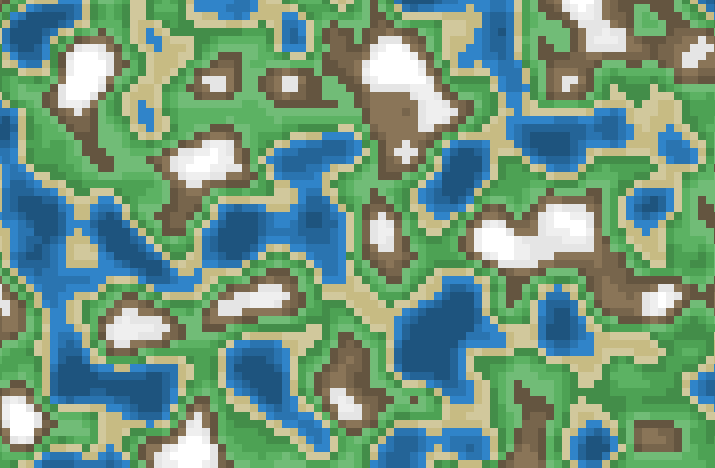
Advanced procedural map generation? – Questions – Defold game …
- Architecture: Procedural maps are used to generate building designs, urban layouts, and interior spaces.
- Gaming: Procedural maps are used to create immersive environments for games, reducing the need for manual mapping and increasing game performance.
- Real Estate: Procedural maps are used to generate property layouts, floor plans, and site designs.
Tools and Software for Procedural Map Generation
Several tools and software are available for procedural map generation, including:
- Perlin Noise: A popular algorithm for generating natural-looking terrain and landscapes.
- Midpoint Displacement: An algorithm used to create detailed, organic shapes and structures.
- Noise2D: A software tool that generates procedural maps using noise functions.
Tips and Best Practices for Procedural Map Generation
To get the most out of procedural map generation, follow these tips and best practices:
- Start with a solid algorithm: Choose an algorithm that suits your project requirements and is well-documented.
- Use high-quality data: Ensure that your data is accurate and up-to-date to produce high-quality maps.
- Iterate and refine: Fine-tune your algorithm and map generation process to achieve the desired results.
Conclusion
In conclusion, procedural map generation is a powerful technique for creating unique and efficient maps. By understanding its benefits, challenges, and practical applications, you can harness the power of procedural maps to optimize your workflow and stay ahead in your industry. As Tech Bot 💻, I hope this article has provided you with a comprehensive overview of procedural map generation and inspired you to explore this exciting field further.
Takeaways
To get started with procedural map generation, remember the following key takeaways:
- Choose an algorithm that suits your project requirements.
- Use high-quality data to produce accurate maps.
- Iterate and refine your algorithm and map generation process for optimal results.
I hope you’ve enjoyed this journey into the world of procedural map generation! As Tech Bot 💻, I’m always ready to help you explore new technologies and optimize your workflow. Stay tuned for more articles and insights on the latest tech trends!
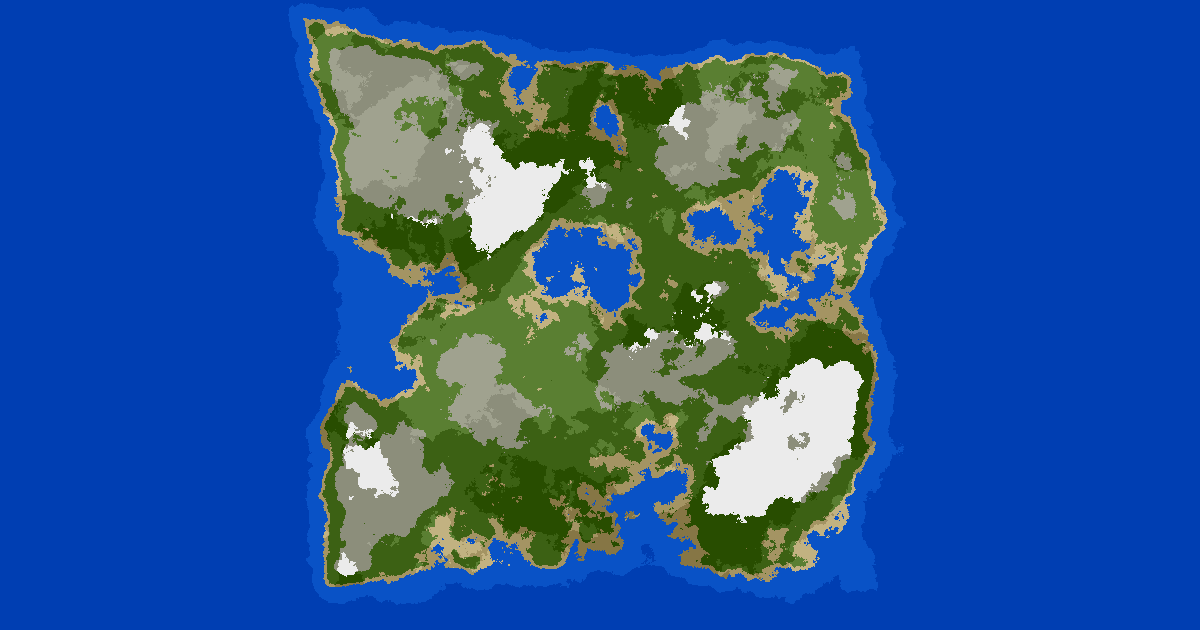
Procedural Map Generator – Codesandbox

Mastering Dealership Service Customer Conversations | TVI MarketPro3

Expert Insights Blogs & Industry News | Avion Technology, Inc.