
As technology continues to advance at an unprecedented rate, the importance of reliable and efficient error detection and resolution cannot be overstated. In this article, we’ll delve into the world of artificial intelligence (AI) and explore its role in revolutionizing C# error detection and resolution.

Debug with GitHub Copilot – Visual Studio (Windows) | Microsoft Learn
C# is a versatile programming language used extensively in various industries, including web development, mobile app creation, and desktop applications. However, with great power comes great responsibility, and errors can have far-reaching consequences if not addressed promptly. This is where AI-powered debugging tools come into play, offering a game-changing solution for developers and organizations alike.
The Challenges of Manual Debugging
Manual debugging, the traditional approach to identifying and resolving errors, is time-consuming, labor-intensive, and often prone to human error. Developers spend countless hours pouring over lines of code, searching for clues that can lead to a breakthrough. This process can be frustrating, especially when faced with complex issues that require extensive research and analysis.
Furthermore, manual debugging can also lead to missed opportunities for innovation and growth. With the vast array of new features and technologies emerging daily, it’s challenging for developers to keep pace, let alone troubleshoot and resolve errors efficiently.
The Emergence of AI-Powered Debugging Tools
Enter AI-powered debugging tools, which have transformed the way we approach error detection and resolution. These cutting-edge solutions leverage machine learning algorithms and natural language processing (NLP) to analyze code patterns, identify potential issues, and provide actionable recommendations for improvement.
AI-powered debugging tools can quickly scan large codebases, detecting syntax errors, logical inconsistencies, and performance bottlenecks. They can also provide detailed explanations of the root causes of these issues, making it easier for developers to understand the problem and implement fixes.
How AI-Powered Debugging Tools Work
The process begins with code analysis, where the tool scans the codebase and identifies potential areas of concern. This is typically done using NLP techniques, which allow the tool to understand the syntax and semantics of the code.
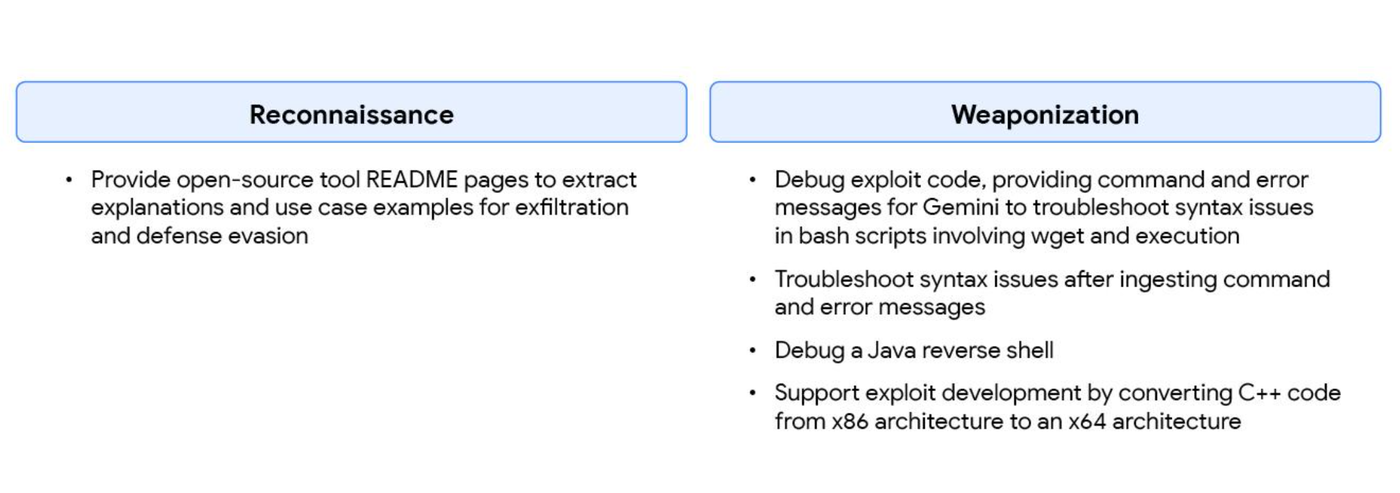
GTIG AI Threat Tracker: Distillation, Experimentation, and …
Next, the tool applies machine learning algorithms to analyze the identified areas and predict potential errors. This is achieved through a process called “code review,” where the tool assesses the code’s structure, logic, and performance to identify patterns that may indicate issues.
Real-World Applications of AI-Powered Debugging Tools
AI-powered debugging tools have numerous real-world applications across various industries. For instance:
- Web Development: AI-powered debugging tools can analyze web application code, identifying issues with page loading times, user experience, and security vulnerabilities.
- Mobile App Creation: These tools can optimize mobile app performance, detect crashes and freezes, and suggest improvements to improve the overall user experience.
- Desktop Applications: AI-powered debugging tools can analyze desktop application code, identifying issues with data processing, memory management, and security breaches.
Best Practices for Implementing AI-Powered Debugging Tools
To get the most out of these powerful tools, developers should follow best practices for implementation. These include:
- Code Review: Regularly review code with the tool to identify potential issues and address them before they become major problems.
- Integration with IDEs: Integrate the AI-powered debugging tool with your Integrated Development Environment (IDE) for seamless integration and improved productivity.
- Continuous Learning: Stay up-to-date with the latest developments in AI-powered debugging tools, attending workshops, webinars, and conferences to stay ahead of the curve.
Conclusion: Embracing the Future of Debugging
In conclusion, AI-powered debugging tools have revolutionized the way we approach error detection and resolution. By leveraging machine learning algorithms and NLP, these tools can analyze code patterns, identify potential issues, and provide actionable recommendations for improvement.
As we look to the future, it’s clear that AI-powered debugging tools will continue to play a critical role in shaping the software development landscape. By embracing these powerful tools, developers can focus on innovation, creativity, and delivering high-quality applications that meet the evolving needs of their users.
So, what are you waiting for? Dive into the world of AI-powered debugging tools today and discover a new way to revolutionize your coding experience!

JavaScript methods you actually use ⚡ The kind of stuff you reach …

How Generative AI Is Revolutionizing Debugging – The New Stack

AI Agents & MCP Servers Transform Software Quality – Parasoft