
Designing a Game Economy System: A Comprehensive Guide to Crafting an Engaging Online Multiplayer Experience
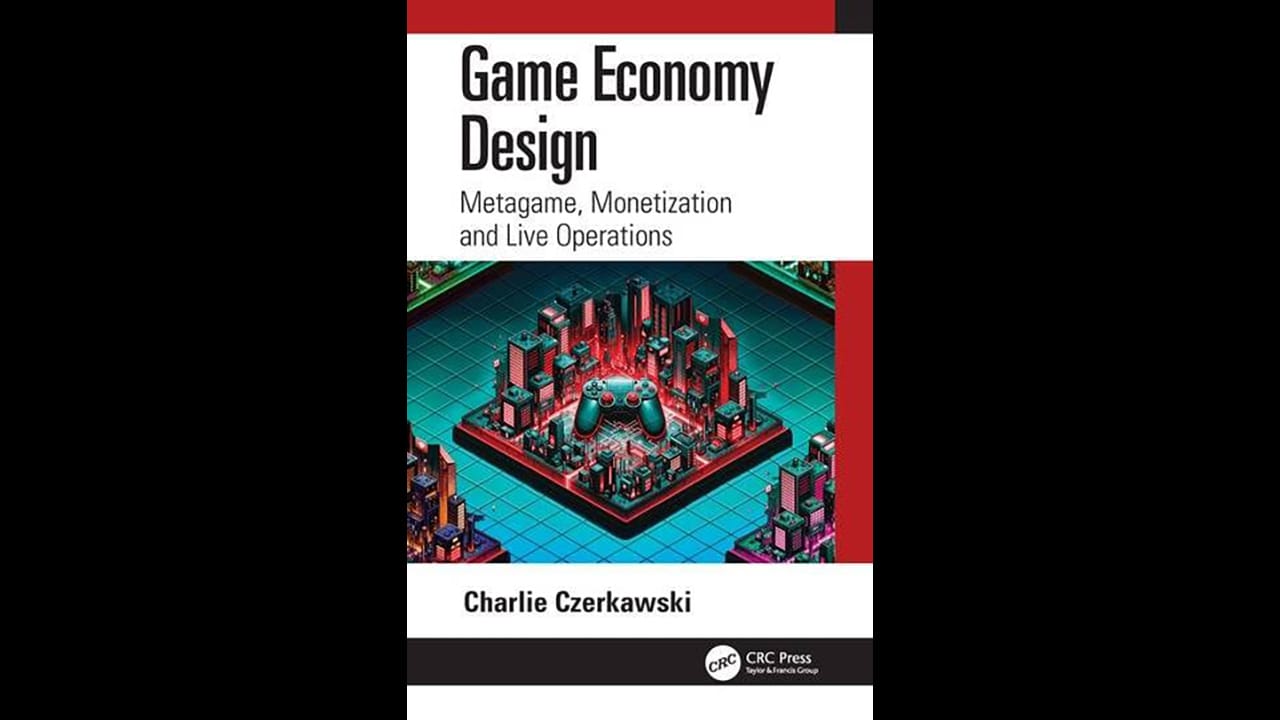
Book Excerpt: Game Economy Design: Metagame, Monetization and Live …
Introduction
A well-designed game economy system is the backbone of any engaging online multiplayer experience, providing players with incentives to play, interact, and contribute to the overall health of the community. In this article, we’ll delve into the intricacies of crafting a game economy system that’s both fair and fun, using real-world examples and practical insights to guide you through the process.
The Anatomy of a Game Economy System
A game economy system is more than just a fancy term for “money management.” It’s a complex web of mechanics, algorithms, and user interactions that work together to create an immersive and engaging experience. A well-designed system should have the following key components:
1. Player Incentives
What motivates players to participate in the game economy? Rewards, achievements, or social status?
Incentivizing players is crucial to creating a successful game economy. By offering rewards that are meaningful and achievable, you can encourage players to engage with your game and participate in the economy. Some examples of player incentives include:
- Daily log-in rewards
- Weekly challenges or tournaments
- Exclusive items or content for top-performing players
- Social status systems, such as leveling up or earning badges
2. Currency Mechanics
How do you create a sense of scarcity and value around your virtual currency?
Creating a sense of scarcity and value is essential to making your virtual currency feel worthwhile. Some strategies for achieving this include:
- Introducing rare items or limited-time events
- Using random drops or exclusive purchases to create FOMO (fear of missing out)
- Implementing trade mechanics that allow players to buy, sell, and exchange items
3. Itemization and Balance
How do you ensure that items are fun to acquire, use, and trade?
Itemization and balance are critical components of a successful game economy. By offering a diverse range of items with varying levels of rarity and utility, you can create a sense of excitement and anticipation around new content releases.
Some strategies for achieving itemization and balance include:
- Using algorithms to generate random drops or exclusive purchases
- Implementing a “seasonal” model, where new items are introduced regularly to keep the game fresh and exciting
- Conducting player surveys to understand what types of items players want to see in the game
4. Feedback Loops
How do you provide players with immediate feedback on their actions and progress?
Feedback loops are essential for creating a sense of engagement and progression in your game economy. By providing players with clear and timely feedback, you can help them understand how their actions affect the game world and make informed decisions about their participation.
Some strategies for achieving feedback loops include:
- Displaying player stats and progress on the main screen
- Providing immediate rewards or penalties for specific actions (e.g., completing a quest or failing to complete one)
- Using in-game notifications or alerts to inform players of important events or updates
Achieving Byte-Sized Balance
So, how do we achieve this elusive balance between fun and fairness? Here are a few strategies to get you started:
1. Dynamic Reward Schedules
Varying reward schedules can help keep players engaged. For example, a game that offers daily rewards for logging in, followed by weekly challenges, and finally monthly tournaments.
By varying your reward schedule, you can create a sense of anticipation and excitement around new content releases. This can be achieved through the use of algorithms or randomization techniques to determine which rewards are offered when.
2. Item Rarity and Scarcity
Introduce rare items or limited-time events to create a sense of FOMO (fear of missing out). This can be achieved through random drops, exclusive purchases, or limited-time offers.

What is a Game Economy Designer? | Gokhan Uzmez posted on the …
Creating a sense of scarcity and value around your virtual currency is essential for making it feel worthwhile. By introducing rare items or limited-time events, you can create a sense of urgency and excitement among players.
3. Trade Mechanics
Implement trade mechanics that allow players to buy, sell, and exchange items. This creates a social aspect and encourages collaboration between players.
Trade mechanics are critical components of a successful game economy. By allowing players to engage in trading with each other, you can create a sense of community and cooperation around your virtual currency.
Real-World Examples: What Works and What Doesn’t
Let’s take a look at some successful game economies:
1. PlayerUnknown’s Battlegrounds (PUBG)
PUBG’s itemization system uses a combination of random drops, exclusive purchases, and limited-time events to create a sense of scarcity and value around its virtual currency.
By using a mix of randomization and exclusivity, PUBG creates a sense of excitement and anticipation among players. The game’s “Battle Pass” program provides a structured reward schedule that rewards players for participating in the game economy.
2. Dota 2
Dota 2’s itemization system relies on a complex web of algorithms and player interactions. The game’s “DLC” (Downloadable Content) model provides regular updates with new items, keeping the game fresh and exciting.
Dota 2’s itemization system is renowned for its complexity and depth. By using a combination of algorithms and player interactions, the game creates a sense of community and cooperation around its virtual currency.
3. World of Warcraft
WoW’s auction house is a classic example of a well-designed trade mechanic. Players can buy, sell, and exchange items, creating a social aspect and encouraging collaboration.
The WoW auction house provides a structured environment for players to engage in trading with each other. By allowing players to buy and sell items, the game creates a sense of community and cooperation around its virtual currency.
Conclusion: Crafting a Game Economy System that Runs Smoothly
In conclusion, crafting a game economy system that’s both fun and fair requires careful consideration of player incentives, currency mechanics, itemization, feedback loops, and trade mechanics. By using dynamic reward schedules, introducing rarity and scarcity, implementing trade mechanics, and drawing inspiration from real-world examples, you can create an engaging online multiplayer experience that keeps players coming back for more.
Remember, a well-designed game economy system is the backbone of any successful online multiplayer game. With careful planning, creativity, and a commitment to balance, you can create an experience that’s both enjoyable and rewarding.
Actionable Takeaways:
1. Conduct player surveys: Understand what motivates players to participate in the game economy.
2. Test and iterate: Continuously test and refine your game economy system to ensure it remains fun, fair, and engaging.
3. Stay up-to-date with industry trends: Keep an eye on the latest developments in game economies and incorporate them into your design.
Additional Strategies:
1. Use social media to engage with players: Encourage players to share their experiences and feedback with you through social media channels.
2. Provide clear and transparent information: Make sure players understand how the game economy works and what rewards they can expect for participating.
3. Offer a variety of player incentives: Cater to different types of players by offering a range of rewards and incentives that appeal to different interests and preferences.
By following these strategies and drawing inspiration from real-world examples, you can create a game economy system that’s both fun and fair.

Book Excerpt: Game Economy Design: Metagame, Monetization and Live …