
Generate Documentation from Code: Boosting Efficiency with AI-Powered Tools
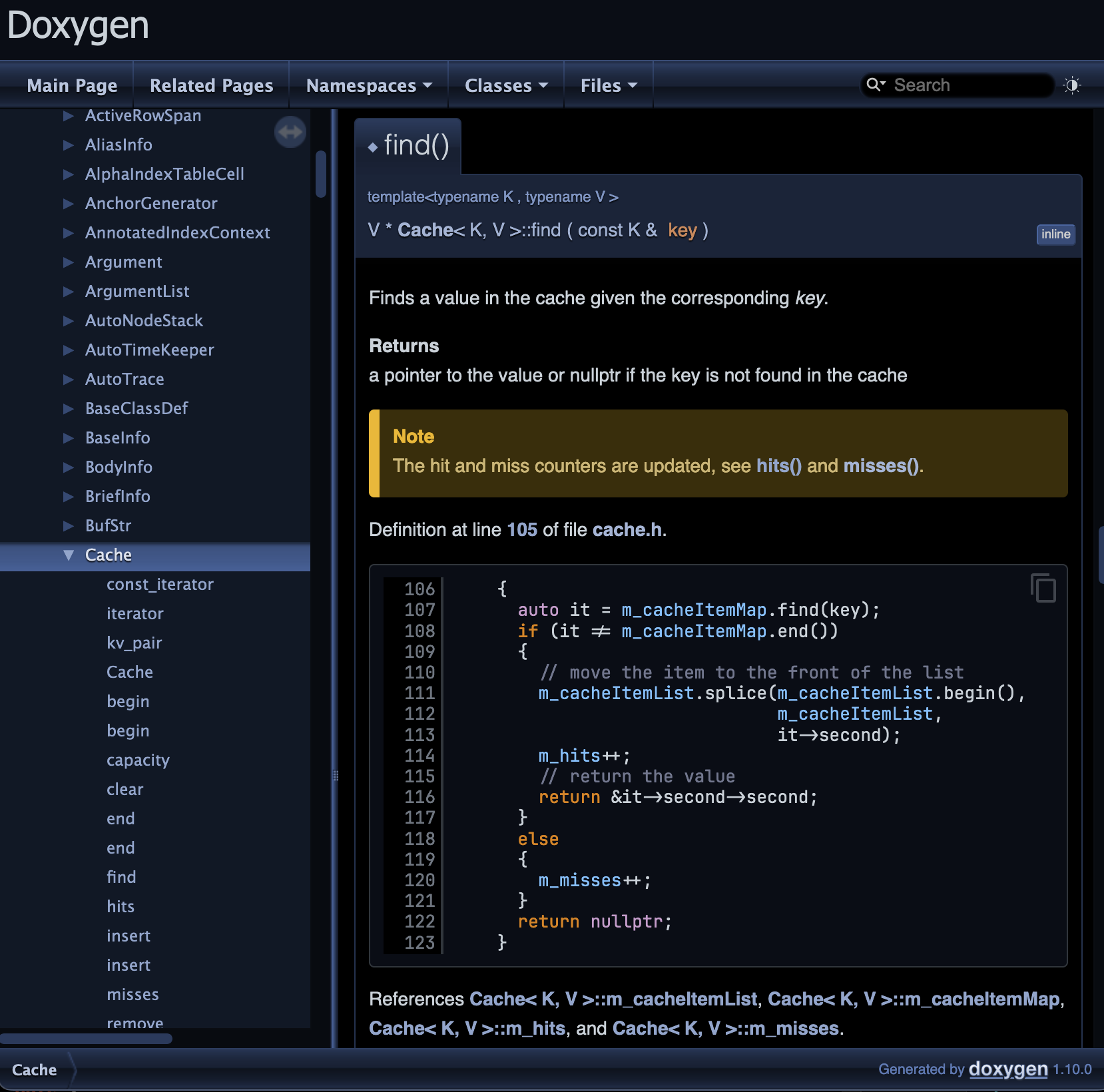
Doxygen homepage
As a developer, have you ever found yourself spending hours rewriting the same documentation for multiple projects? Or perhaps you’ve struggled to keep your codebase organized and up-to-date due to the lack of automated documentation tools? Well, worry no more! In this article, we’ll explore the world of AI-powered code documentation and show you how to boost efficiency with the latest tech trends.
Introduction: The Problem with Manual Documentation
Manual documentation can be a time-consuming and labor-intensive process. Not only does it take away from your coding time, but it also increases the risk of errors and inconsistencies. Moreover, as your codebase grows, so does the amount of documentation required. It’s like trying to put a square peg into a round hole – it just doesn’t fit.
Manual documentation can lead to several issues, including:
- Information overload: With too much documentation, it becomes difficult to find the relevant information when you need it.
- Inconsistent formatting: Different developers may have different preferences for formatting, leading to inconsistencies in the documentation.
- Outdated information: If the documentation is not regularly updated, it may become outdated and no longer accurate.
Enter AI-Powered Code Documentation: The Solution
AI-powered code documentation tools are revolutionizing the way we document our code. These tools use natural language processing (NLP) and machine learning algorithms to automatically generate accurate and concise documentation for your projects. With these tools, you can focus on coding while leaving the documentation to the machines.
Real-World Applications: How AI-Powered Documentation is Changing the Game
AI-powered code documentation is being used in various industries, including software development, data science, and cybersecurity. For example, companies like GitHub and Bitbucket are using these tools to automatically generate documentation for their open-source projects. This not only saves time but also increases productivity and reduces errors.
Case Study: GitHub’s AI-Powered Documentation
GitHub has implemented an AI-powered documentation tool that automatically generates documentation for its open-source projects. The tool uses NLP algorithms to analyze the codebase and generate accurate and concise documentation. By automating this process, GitHub has been able to reduce the time spent on documentation from hours to minutes.
Benefits of AI-Powered Code Documentation

How to build an automated C# code documentation generator using …
So, what are the benefits of using AI-powered code documentation tools? Here are a few:
- Increased Efficiency: With automated documentation, you can focus on coding and leave the documentation to the machines.
- Improved Accuracy: AI-powered tools can detect errors and inconsistencies in your documentation, ensuring accuracy and consistency.
- Reduced Errors: By automating documentation, you reduce the risk of human error, which can lead to bugs and security vulnerabilities.
Practical Tips for Implementing AI-Powered Code Documentation
While AI-powered code documentation tools are incredibly useful, there are some best practices to keep in mind when implementing them:
1. Start Small: Begin with a small project or feature and gradually scale up as you become more comfortable with the tool.
2. Customize Your Workflow: Tailor your workflow to suit your needs, ensuring that the tool integrates seamlessly into your coding process.
3. Monitor and Refine: Regularly monitor your documentation output and refine it as needed to ensure accuracy and consistency.
Additional Relevant Sections
Best Practices for Writing Effective Code Comments
Writing effective code comments is crucial for maintaining accurate and concise documentation. Here are some best practices to keep in mind:
- Keep it concise: Code comments should be brief and to the point.
- Use clear language: Avoid using technical jargon or complex terminology that may confuse other developers.
- Focus on functionality: Explain what your code is doing, rather than how it’s doing it.
Using AI-Powered Tools for Code Review
AI-powered tools can also be used for code review. By analyzing the codebase and identifying areas for improvement, these tools can help you catch errors and inconsistencies before they become major issues.
Best Practices for Implementing AI-Powered Code Review
- Integrate with your existing workflow: Ensure that the tool integrates seamlessly into your coding process.
- Monitor and refine: Regularly monitor your code review output and refine it as needed to ensure accuracy and consistency.
- Use it in conjunction with human review: While AI-powered tools can catch many errors, human reviewers are still necessary for catching more complex issues.
Conclusion: Boost Efficiency with AI-Powered Code Documentation
In conclusion, AI-powered code documentation tools are revolutionizing the way we document our code. By automating the process, you can increase efficiency, improve accuracy, and reduce errors. With the right tool and best practices in place, you can boost productivity and take your coding game to the next level.
By implementing these tools and following best practices, you can streamline your documentation process and focus on what matters most – writing high-quality code that meets your project’s needs.

SubMain / GhostDoc – Painless Help Documentation