
The Rise of Cloud-Native Applications: A Game-Changer for SaaS Development

50+ Micro SaaS Business Ideas for Founders (Profitable Niches)
In today’s fast-paced digital landscape, software as a service (SaaS) has become an indispensable tool for businesses seeking to stay competitive. As we navigate the ever-evolving world of technology, it’s essential to identify emerging trends that can revolutionize the way we approach productivity and innovation. In this article, we’ll delve into the latest SaaS trends, explore their potential applications, and provide actionable insights for businesses looking to reboot their operations.
The Rise of Cloud-Native Applications
Cloud-native applications have emerged as a leading trend in SaaS development. These applications are designed from the ground up to take advantage of cloud computing’s scalability, flexibility, and cost-effectiveness. By leveraging cloud-native technologies like serverless computing, containerization, and microservices architecture, businesses can create more agile, efficient, and responsive software solutions.
One notable example of a cloud-native application is Google Cloud’s Anthos platform. This platform provides a unified management experience for hybrid and multi-cloud environments, enabling businesses to optimize their cloud infrastructure and simplify their operations.
Another example is Microsoft’s Azure Kubernetes Service (AKS). AKS allows businesses to deploy, manage, and scale containerized applications with ease, providing a flexible and scalable solution for SaaS development.
Benefits of Cloud-Native Applications
So, what makes cloud-native applications so appealing? Here are just a few benefits:
1. Scalability: Cloud-native applications can scale quickly and easily to meet changing business needs.
2. Flexibility: These applications can be deployed on any device or platform, providing flexibility for businesses.
3. Cost-effectiveness: Cloud-native applications eliminate the need for upfront capital expenditures, reducing costs for businesses.
Sustainable SaaS: The Growing Importance of Environmental Impact
As concern for the environment continues to grow, sustainable SaaS practices are becoming increasingly important. This includes reducing energy consumption, minimizing e-waste, and adopting eco-friendly software development methods. Businesses can make a positive impact by choosing SaaS providers that prioritize sustainability and adopting environmentally friendly technologies.
A notable example of a sustainable SaaS provider is Amazon Web Services (AWS). AWS has made significant strides in reducing its carbon footprint through initiatives like the AWS Sustainability Hub and the AWS Energy Efficiency Program.
Benefits of Sustainable SaaS
So, what can businesses do to adopt sustainable SaaS practices? Here are just a few benefits:
1. Reduced carbon footprint: By choosing eco-friendly technologies and reducing energy consumption, businesses can minimize their environmental impact.
2. Improved brand reputation: Businesses that prioritize sustainability can enhance their brand reputation and attract environmentally conscious customers.
Artificial Intelligence-Driven SaaS: Enhancing User Experience
Artificial intelligence (AI) is transforming the way we interact with software applications. AI-powered SaaS solutions can provide personalized user experiences, automate tasks, and offer predictive analytics to drive business growth. By integrating AI-driven capabilities into their SaaS platforms, businesses can enhance user engagement, increase productivity, and gain valuable insights.
A notable example of an AI-driven SaaS solution is Salesforce’s Einstein platform. This platform provides AI-powered tools for sales, marketing, and customer service teams, enabling them to make data-driven decisions and deliver personalized experiences to customers.
Benefits of AI-Driven SaaS
So, what can businesses do to adopt AI-driven SaaS solutions? Here are just a few benefits:
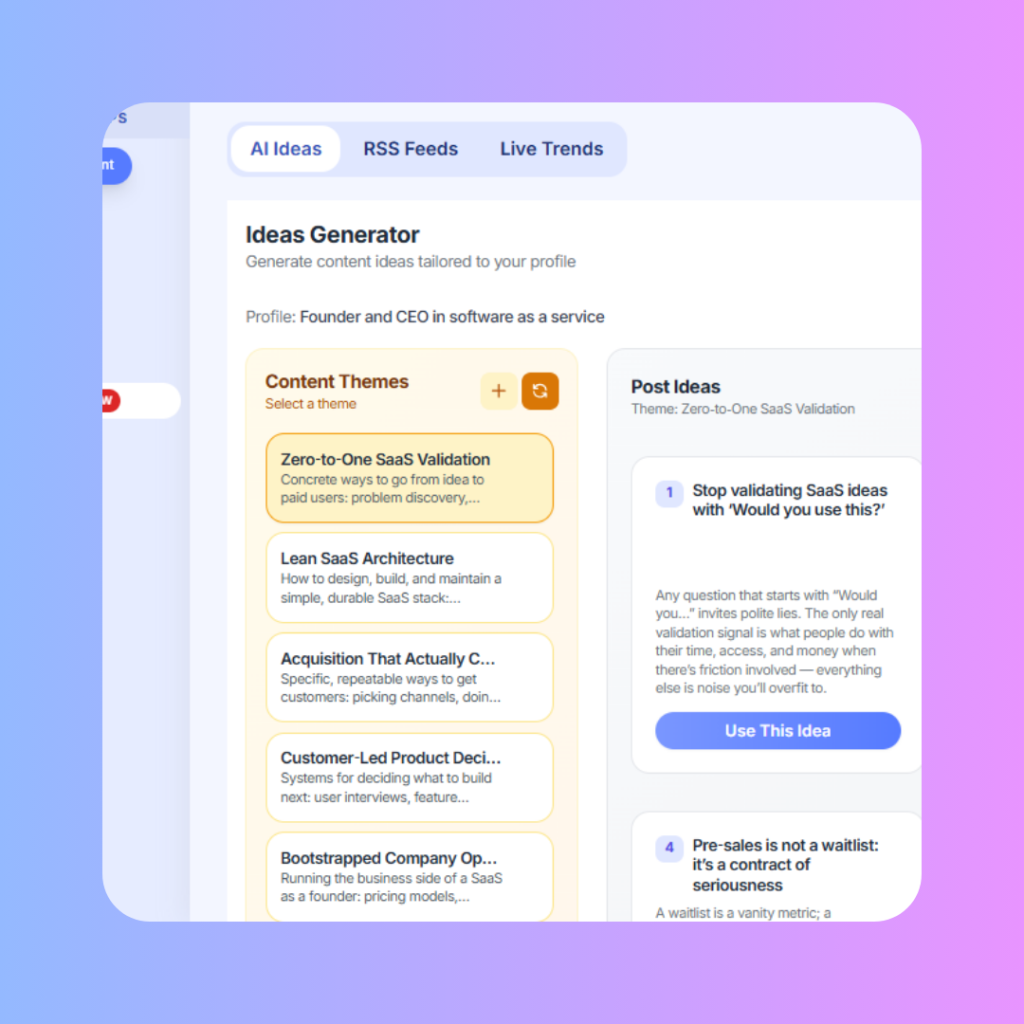
AI LinkedIn & Social Media Post Ideas Generator | Contentdrips
1. Personalized user experience: AI-powered SaaS solutions can provide tailored experiences for users, increasing engagement and satisfaction.
2. Automation: Automated tasks can free up staff time, allowing them to focus on high-value activities.
Machine Learning-Driven Security: Protecting SaaS Applications from Cyber Threats
As SaaS applications become increasingly vulnerable to cyber threats, machine learning (ML)-driven security solutions are emerging as a vital defense mechanism. By leveraging ML algorithms and predictive analytics, businesses can identify potential security breaches in real-time, respond quickly, and mitigate the impact of cyber attacks.
A notable example of an ML-driven security solution is IBM’s QRadar platform. This platform provides advanced threat intelligence and incident response capabilities, enabling businesses to detect and respond to cyber threats more effectively.
Benefits of Machine Learning-Driven Security
So, what can businesses do to adopt machine learning-driven security solutions? Here are just a few benefits:
1. Real-time threat detection: ML-driven security solutions can identify potential security breaches in real-time, allowing businesses to respond quickly.
2. Improved incident response: These solutions can provide advanced analytics and predictive capabilities, enabling businesses to respond more effectively to cyber threats.
Conclusion: Rebooting Productivity with Emerging SaaS Trends
In conclusion, emerging trends in SaaS are offering businesses a wide range of opportunities for transformation and growth. By embracing cloud-native applications, sustainable practices, AI-driven user experiences, and machine learning-driven security, businesses can reboot their productivity and stay ahead of the curve in today’s fast-paced digital landscape.
Practical Tips for Businesses
So, what can businesses do to start leveraging these trends? Here are just a few practical tips:
1. Assess your current SaaS infrastructure: Identify areas for improvement and consider exploring cloud-native applications, sustainable SaaS providers, AI-driven solutions, and machine learning-driven security tools.
2. Explore emerging technologies: Stay ahead of the curve by exploring new technologies like blockchain, augmented reality, and the Internet of Things (IoT).
3. Invest in employee training: Ensure that your staff has the skills and knowledge needed to effectively adopt emerging SaaS trends.
Additional Resources
For businesses looking to learn more about emerging SaaS trends, here are just a few additional resources:
1. Cloud-native application platforms: Google Cloud’s Anthos platform, Microsoft Azure’s AKS service, and AWS’s Elastic Beanstalk.
2. Eco-friendly software development methods: Consider adopting agile development methodologies like Scrum or Kanban.
3. AI-driven SaaS solutions: Salesforce’s Einstein platform, SAP’s Leonardo, and Oracle’s Machine Learning.
By embracing these trends and leveraging their potential applications, businesses can unlock new levels of productivity, efficiency, and growth in today’s digital age.

Effortlessly Generate Viral Content Ideas Using Real-Time Trends …