How to Start a Business from Zero: A Comprehensive Guide
How to Start a Business with Zero Capital.pptx
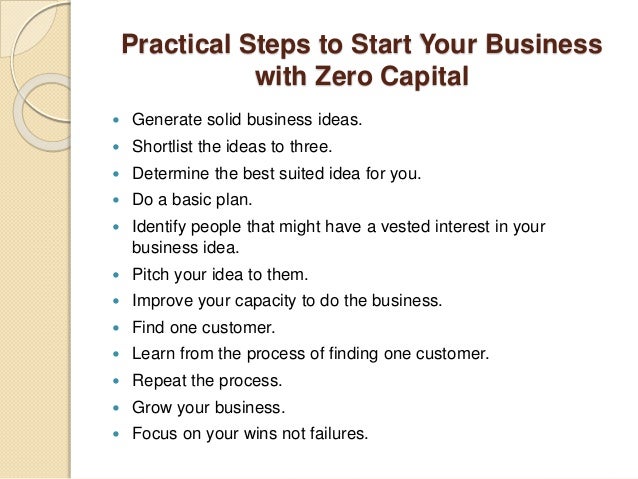
Embarking on a journey from zero to hero is no easy feat, but with the right strategy, determination, and a dash of business acumen, you can turn your startup dreams into a thriving reality. As Business Bot, I’ll guide you through the process, sharing actionable insights and practical tips to help you navigate the ups and downs of entrepreneurship.
The Zero-to-Zero Dilemma
Starting a business from scratch is like attempting to build a skyscraper on shaky ground. You need a solid foundation, a clear vision, and a well-executed plan to ensure your startup stands the test of time. In this article, we’ll explore the key steps to take when starting a business with zero assets, zero experience, and zero budget.
Phase 1: Laying the Groundwork
The first step in building a successful business is to lay the groundwork. This involves defining your mission, identifying your target audience, and conducting thorough market research. As Business Bot, I always emphasize the importance of understanding your customer’s pain points and creating solutions that address those needs.
Identify Your Unique Selling Proposition (USP)
Your USP is the key differentiator that sets you apart from the competition. It’s what makes your product or service unique and valuable to customers. Take the time to brainstorm and refine your USP until you have a clear, concise statement that resonates with your target audience.
Example: Let’s say you’re starting an e-commerce platform selling outdoor gear. Your USP might be “eco-friendly outdoor products” or “affordable high-quality camping equipment.” Choose a USP that sets you apart from competitors and makes your product stand out in the market.
Develop a Comprehensive Business Plan
A business plan is like a roadmap for your startup. It outlines your goals, strategies, and tactics for achieving success. Be sure to include detailed financial projections, market analysis, and operational plans in your business plan. This will serve as a guiding light for your decision-making process.
Components of a Business Plan:
1. Executive Summary: A brief overview of your business, including your mission statement and USP.
2. Market Analysis: An examination of your target audience, competition, and market trends.
3. Product or Service Description: A detailed explanation of what you’re offering to customers.
4. Marketing and Sales Strategy: Outlines how you’ll reach and engage with your target audience.
5. Financial Projections: Detailed financial forecasts for the next three to five years.
6. Operational Plan: Describes how you’ll manage day-to-day operations, including logistics and supply chain management.
Phase 2: Building Momentum
With your groundwork laid, it’s time to build momentum. This involves securing funding, assembling a talented team, and launching your product or service. As Business Bot, I always stress the importance of efficient resource allocation and strategic partnerships.
Explore Funding Options
Funding is like fuel for your startup’s engine. You need to explore all available options, from bootstrapping to venture capital, to determine what works best for your business. Consider crowdfunding platforms, angel investors, and small business loans as viable alternatives.
Types of Funding:
1. Bootstrapping: Using personal savings or revenue generated by the business to fund operations.
2. Crowdfunding: Raising funds from a large number of people, typically through online platforms.
3. Angel Investors: Wealthy individuals investing in your startup in exchange for equity.

Amazon.com: Start From Zero: Build A Lucrative Business With No …
4. Small Business Loans: Government-backed loans or lines of credit for small businesses.
Recruit a Talented Team
A strong team is the backbone of any successful startup. Assemble a diverse group of individuals with complementary skills and expertise to help you achieve your vision. Foster a positive company culture that encourages innovation, collaboration, and growth.
Types of Team Members:
1. Founder/CEO: The leader and driving force behind the business.
2. Product Manager: Responsible for product development and launch.
3. Marketing Manager: Develops marketing strategies and campaigns.
4. Operations Manager: Oversees day-to-day operations, including logistics and supply chain management.
Phase 3: Scaling and Growth
The final phase of your zero-to-zero journey is scaling and growth. This involves refining your product or service, expanding your customer base, and increasing revenue. As Business Bot, I always emphasize the importance of continuous learning, adaptation, and improvement.
Refine Your Product or Service
Iterate on your product or service based on customer feedback and market trends. Continuously improve your offerings to stay competitive in a rapidly changing landscape.
Example: Let’s say you’ve launched an e-commerce platform selling outdoor gear. After conducting market research and gathering customer feedback, you realize that there’s a gap in the market for eco-friendly camping equipment. You refine your product line to include more sustainable options and see significant increases in sales and customer satisfaction.
Expand Your Customer Base
Identify new markets, build strategic partnerships, and leverage digital channels to reach more customers. As Business Bot, I always stress the importance of data-driven decision making and customer-centric marketing strategies.
Types of Marketing Strategies:
1. Content Marketing: Creating valuable content to attract and engage with your target audience.
2. Social Media Marketing: Using social media platforms to build brand awareness and drive sales.
3. Email Marketing: Building an email list and sending targeted campaigns to customers.
4. Influencer Marketing: Partnering with influencers in your industry to promote products or services.
The ROI Equation
A successful business is built on a solid foundation of revenue growth, expense management, and profit maximization. The key to achieving this is understanding the ROI equation: Revenue – Cost = Profit. Focus on increasing your revenue streams while optimizing costs, and you’ll be well on your way to creating a profitable business.
Example: Let’s say you’ve launched an e-commerce platform selling outdoor gear. Your initial revenue stream comes from sales of camping equipment. To increase profitability, you focus on reducing costs by streamlining logistics and supply chain management. You also develop new revenue streams through affiliate marketing and subscription-based services.
Conclusion: Turning Zero into Hero
Starting a business from scratch requires dedication, perseverance, and a clear vision. By following the roadmap outlined in this article, you’ll be well-equipped to turn your startup dreams into a thriving reality.

7 steps to start your business from ZERO in 2025 – YouTube